Specification & Order Preparation
Clarify standards, threads, inspection and packing before requesting a quotation.
- Thread-Forming or Thread-Cutting Screw? State the Hole and Debris Requirements New buyer guide · 24 November 2026
- Clevis Pin Enquiry: Keep the Cross-Hole Clear of the Joint Stack New buyer guide · 23 November 2026
- Flange Nut Enquiry: Identify the Bearing Face Before Comparing Offers New buyer guide · 22 November 2026
- Tap-End Stud Enquiry: Identify the Component End and Nut End New buyer guide · 21 November 2026
- Cross Dowel Enquiry: Align the Threaded Hole with the Furniture Bolt New buyer guide · 20 November 2026
- Dowel Pin Enquiry: Keep Both Mating Holes on the Drawing New buyer guide · 19 November 2026
- Shoulder Bolt Enquiry: Separate Shoulder Fit from the End Thread New buyer guide · 18 November 2026
- Rivet Nut Enquiry: Match the Body Profile to the Panel Hole Drawing New buyer guide · 17 November 2026
- Retaining Ring Enquiry: Radial Access or Axial Access? New buyer guide · 16 November 2026
- Wedge Anchor Enquiry: Embedment Is Not Drilled Hole Depth New buyer guide · 15 November 2026
- Captive Washer or Panel-Captive Screw? State Which Component Must Stay Attached New buyer guide · 14 November 2026
- Anchor Rod Positioning Templates and Base Plates: Quoting the Correct Drawings New buyer guide · 13 November 2026
- Fastener Receipt Documents: Reconciling a Carton Lot With an Inspection Report New buyer guide · 12 November 2026
- Furniture Cam Connector Enquiries: Matching Hardware and Panel Drawings New buyer guide · 11 November 2026
- Turnbuckle Replacement Enquiries: Recording Each End and Thread Hand New buyer guide · 10 November 2026
- How to Specify Coating Coverage on Drawing-Defined Fasteners New buyer guide · 9 November 2026
- Flat Washer Enquiries for Recessed Seats: Bore, Outside Diameter and Seat Clearance New buyer guide · 8 November 2026
- Castle Nut, Drilled Bolt and Split Pin: How to Quote the Retaining Assembly New buyer guide · 7 November 2026
- Blind Rivet RFQs for Variable Stack Thickness: Mapping Assemblies to Grip Ranges New buyer guide · 6 November 2026
- Threaded Rod Cut-Length Enquiries: Finished Length, Ends and Quantity New buyer guide · 5 November 2026
- U-Bolt Widths: Inside Clearance vs Centre-to-Centre Spacing New buyer guide · 4 November 2026
- Pieces vs Sets vs Kits: How to Compare Fastener Quote Quantities New buyer guide · 3 November 2026
- Fully Threaded vs Partially Threaded Hex Bolts: What to Put in an RFQ New buyer guide · 2 November 2026
- How to Measure Bolt and Screw Length for an RFQ New buyer guide · 1 November 2026
- Length Unit Converter: mm, cm, m, inch and foot
- ASTM F3125 Structural Bolt Enquiries
- ASTM F1554 Anchor Bolt Enquiries
- ISO 898-1 Fastener Enquiries
- Thread Specification Checklist
- Inspection & Packing Checklist
- Quality & Inspection
- Packaging & Labels
- Steel Structure Connections application guide
- Roofing & Wall Cladding application guide
- Equipment Foundations & Base Plates application guide
- Machinery & Equipment Assembly application guide
- Bulk Orders & Assembly Kits
- Export Order Coordination
Product Enquiry Checklists
Prepare product-specific order information before comparing quotations.
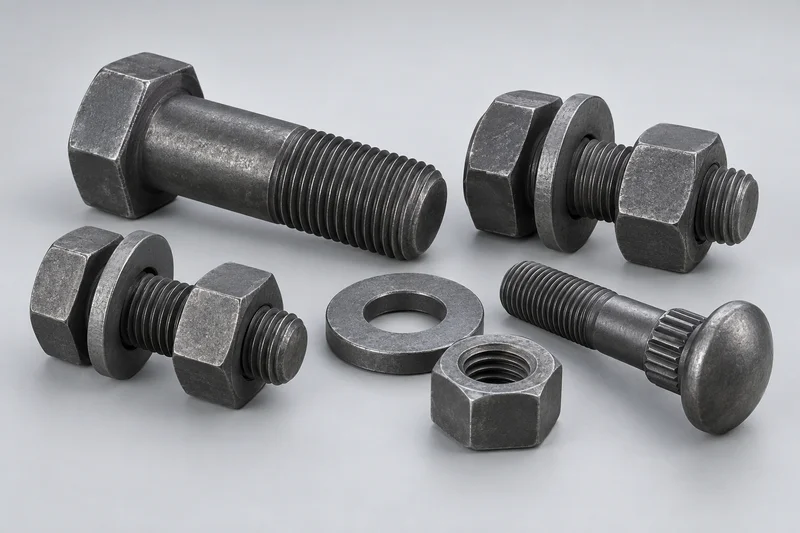
Structural Bolt Enquiry Checklist
Prepare a complete structural bolt enquiry before comparing quotations. The bolt, matching components, finish and installation requirement belong in one controlled brief.
Read checklist →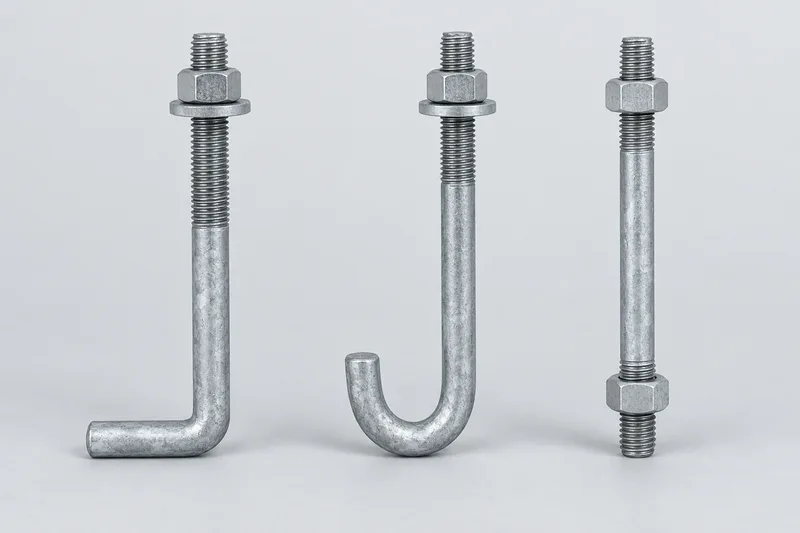
Anchor Bolt Drawing Checklist
A foundation anchor-rod quotation needs the controlled geometry and project requirements. The words L bolt, J bolt or threaded rod do not fully define the part.
Read checklist →
Concrete Anchor Enquiry Checklist
Prepare an anchor enquiry around the selected system, substrate and required documentation. Do not choose an anchor solely from a product photograph or nominal diameter.
Read checklist →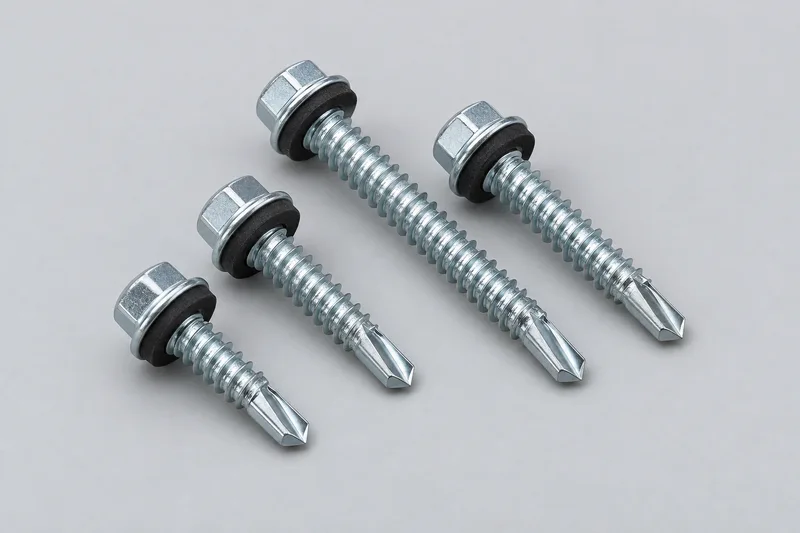
Self-Drilling Screw Enquiry Checklist
Select and quote a self-drilling screw against the actual connection: head, point, thread, material stack and optional sealing washer.
Read checklist →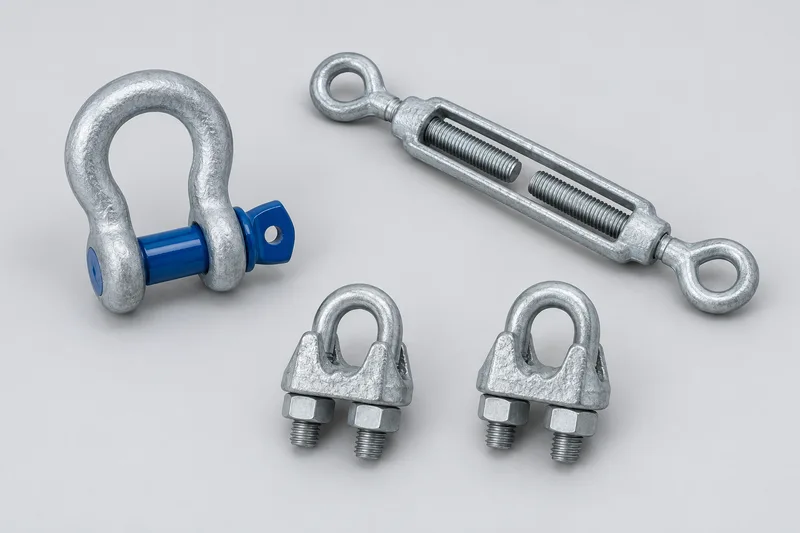
Rigging Hardware Enquiry Checklist
Separate ordinary connecting hardware from equipment specified for lifting or other rated service. State the intended use before asking for a price.
Read checklist →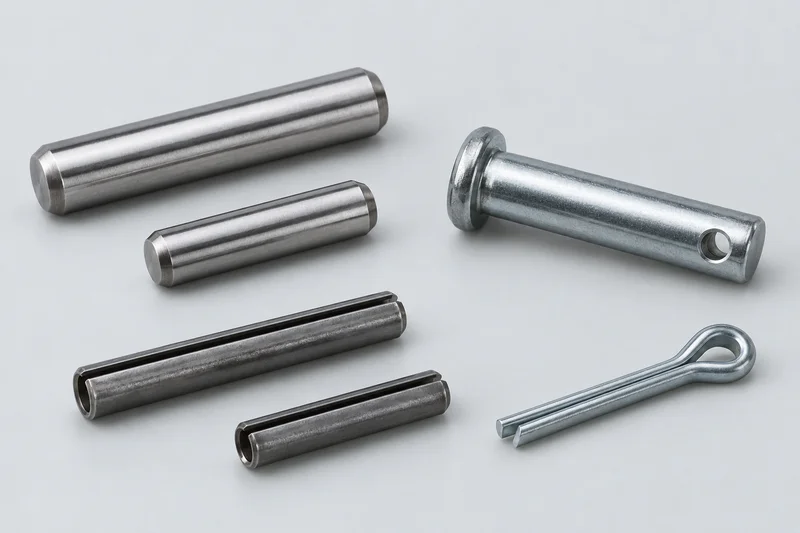
Pin Specification Checklist
Prepare a pin quotation with the correct construction, dimensions, mating holes, retaining arrangement, material, finish and order requirements.
Read checklist →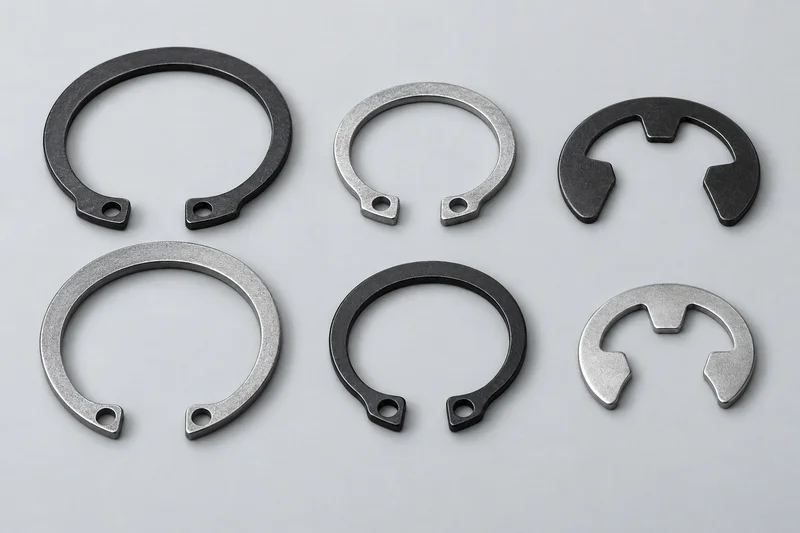
Retaining Ring Specification Checklist
Prepare a circlip or E-clip enquiry with ring identity, shaft or bore diameter, groove dimensions, material, clearance and order documents.
Read checklist →
Screw Specification Checklist
Prepare a screw quotation with the exact head, drive, thread, length convention, point, mating material, finish and order requirements.
Read checklist →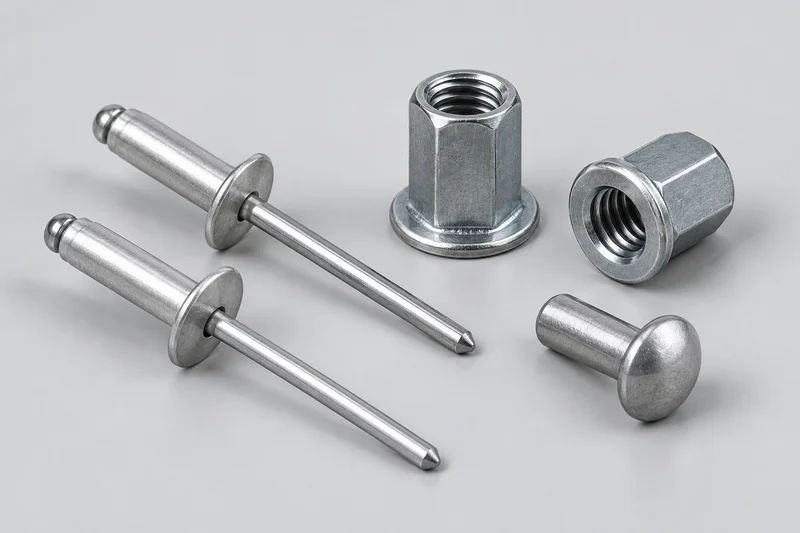
Rivet & Rivet Nut Checklist
Prepare a rivet quotation with fastening type, joint thickness, grip range, hole geometry, material, internal thread where relevant and installation requirements.
Read checklist →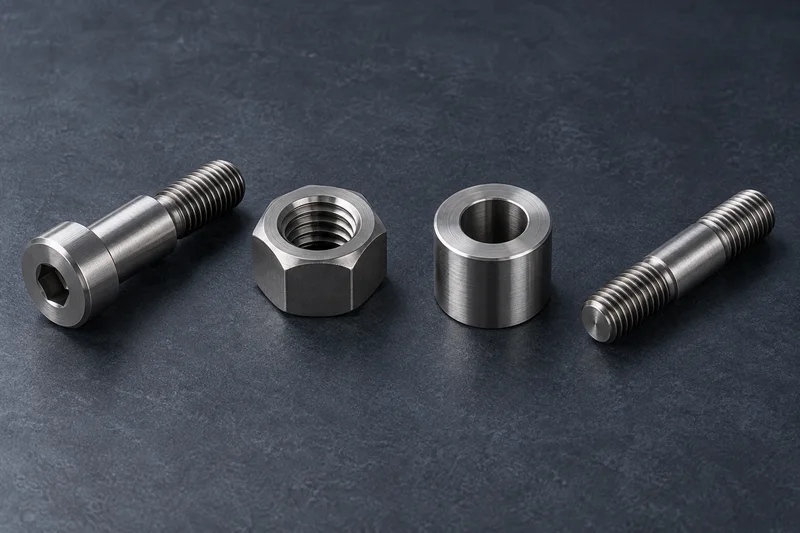
Custom Drawing Checklist
Prepare a custom fastener enquiry with drawing revision, units, dimensions, tolerances, thread, material, finish, quantity and acceptance requirements.
Read checklist →Sample & Production Approval Checklist
Agree custom fastener sample scope, drawing revision, acceptance criteria, review responsibilities, deviations and batch-release requirements before ordering.
Read checklist →Fastener Basics
A practical introduction to product families, geometry and the information needed to specify an industrial fastener.
Fastener Material Requirements
How to define steel, stainless and other material requirements in a fastener quotation.
Fastener Grades and Property Classes
Specify the correct property class or product grade without assuming that different standards are interchangeable.
DIN, ISO and ASTM Fastener Standards
A buyer's guide to quoting exact standards, revisions and dimensional requirements.
Fastener Finishes and Coatings
Define coating and surface requirements for industrial fasteners before quotation.
Fastener Installation Requirements
What to include when installation conditions affect product selection or supply.
Fastener Selection Checklist
Prepare a useful product brief for structural, anchoring, machinery and custom fastener enquiries.
Find a product comparison or named reference
Use product, property and interface guides together
| Question | Specific guide |
|---|---|
| Which head, shank or nut/washer form? | Bolts · Studs · Nuts · Washers |
| What does the material or class designation identify? | Material names · Classes and components · Finished coating brief |
| Which mating interface matters? | Steel joints · Rod/plate/template · Sheet/support/seal · Attachment/locating/retention |
| What differs from a standard construction? | Five drawing-type feature briefs |
| Where are the existing rivet, pin and ring details? | Rivets and rivet nuts · Pins · Retaining rings |
Use these identification guides with the exact product reference and controlled drawing, not as engineering approval or an individual product certificate.
Practise reading a specification
Use these worked examples when a parts list gives an incomplete material, property or finish note. They explain what the note identifies and what still needs to be checked, without replacing the original project specification.
- Material notes: stainless, A2-70 and drawing references — retain the material identity separately from geometry and finish.
- Property notes: bolt classes, stainless designations and structural assemblies — check the actual component and avoid unsupported equivalences.
- Finish notes: process, thread fit and salt-spray claims — distinguish the requirement from a verified test result.
Connect the specification to the mating part
- Read metric and unified inch thread callouts — diameter, pitch/TPI, series, hand and the remaining fit/length requirements.
- Read standard numbers, parts and editions — product references versus property requirements, and how to flag proposed alternatives.
- Check five connection families before installation — bolt assemblies, anchors, drilling screws, pins and retaining rings.
Use these with the existing product details and controlled project documents, not as a replacement for approved engineering or installation instructions.