Start with the part, then choose the route
A fastener production plan connects blank preparation, geometry, thread production, treatment and verification. This equipment guide covers cold heading, external thread rolling, internal nut tapping, stamping and forming, CNC machining, heat treatment, surface finishing, and inspection and sorting. Actual equipment selection depends on the controlled part and the agreed production plan.
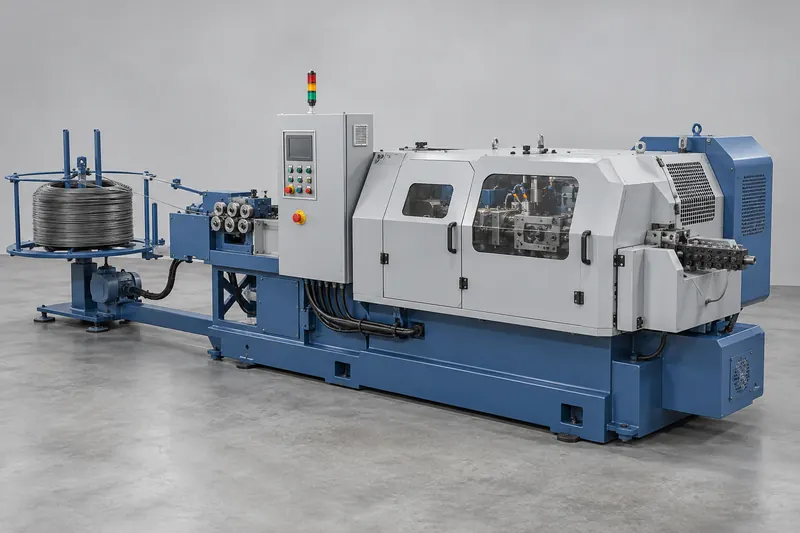
Cold Heading Machines
How cold heading forms fastener blanks, which product families it relates to, and what to confirm when choosing a production route.
Explore the process →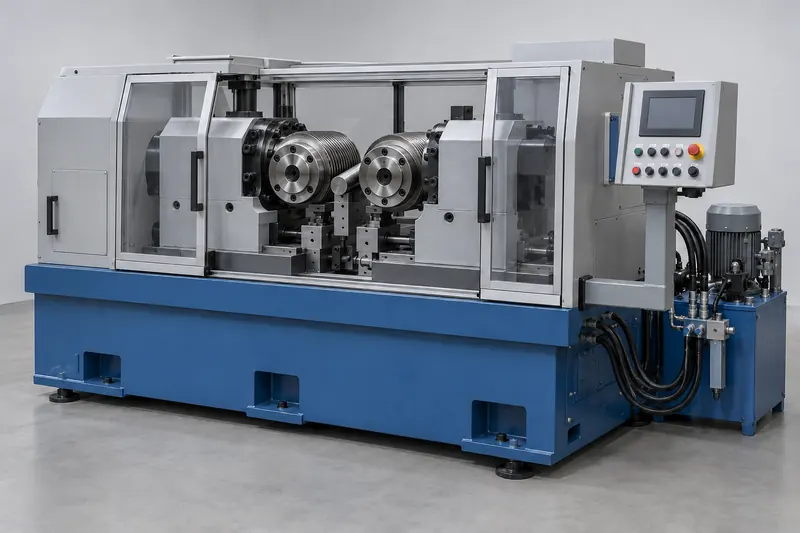
Thread Rolling Machines
Compare flat-die and circular-die thread rolling, understand the blank-to-thread process, and prepare an external-thread fastener enquiry.
Explore the process →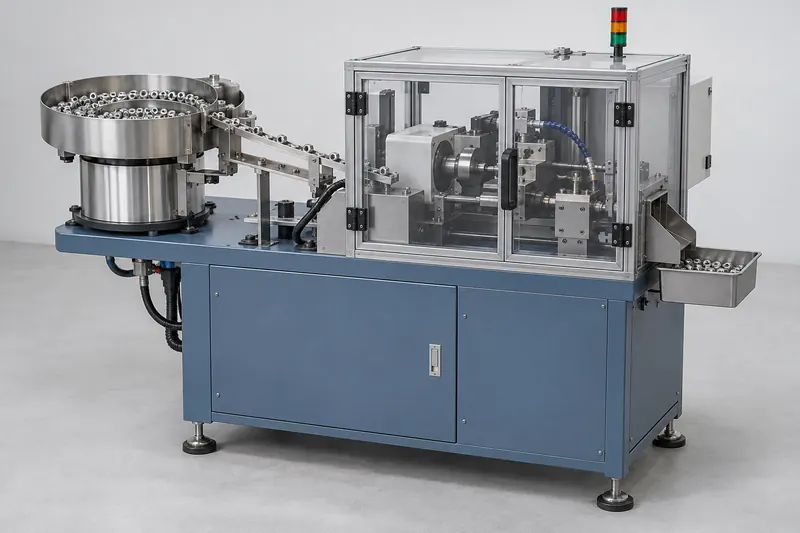
Nut Tapping Machines
Understand internal-thread nut tapping, tool and hole selection, and the requirements needed for a finished-nut enquiry.
Explore the process →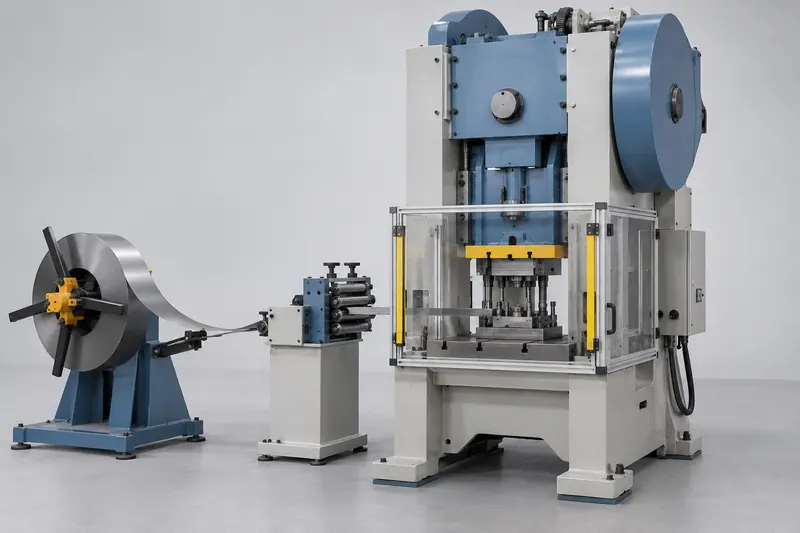
Stamping & Forming Machines
Explore strip-fed stamping and forming for selected washers and clips, with drawing, material and acceptance requirements.
Explore the process →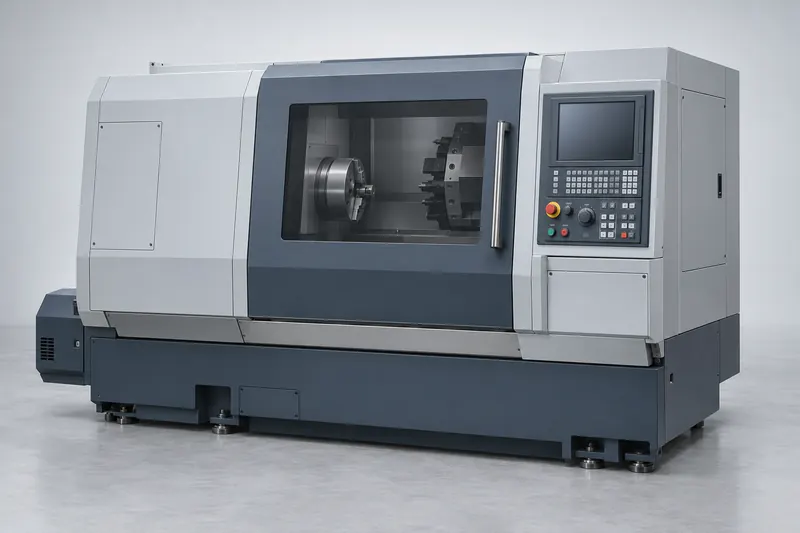
CNC Machining Equipment
Explore CNC turning, milling and secondary operations for drawing-based fasteners, with geometry and inspection requirements.
Explore the process →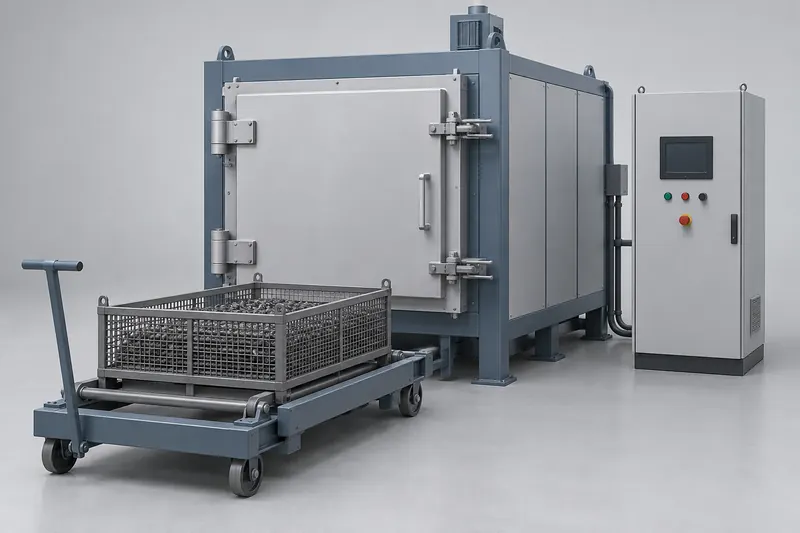
Heat Treatment Equipment
Understand furnace arrangements, treatment selection and the material, grade and lot records needed for finished-fastener review.
Explore the process →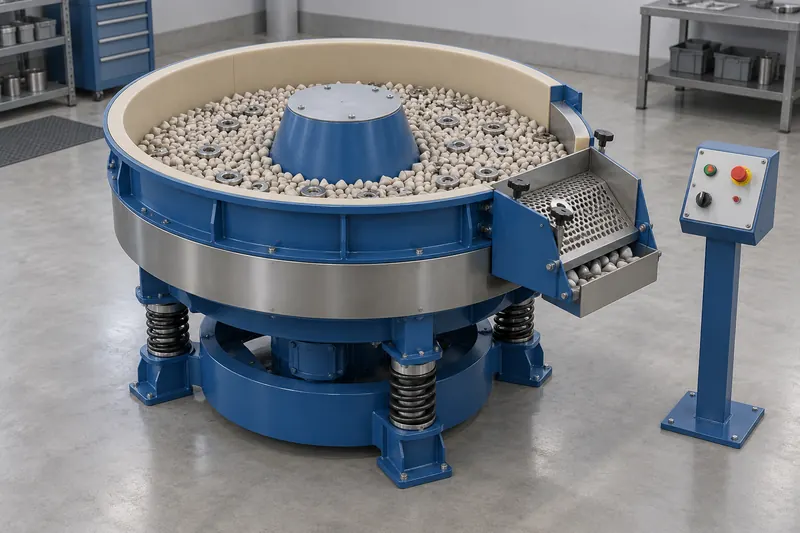
Surface Finishing Equipment
Explore vibratory finishing, preparation and coating application routes for fasteners, with finished-surface and thread requirements.
Explore the process →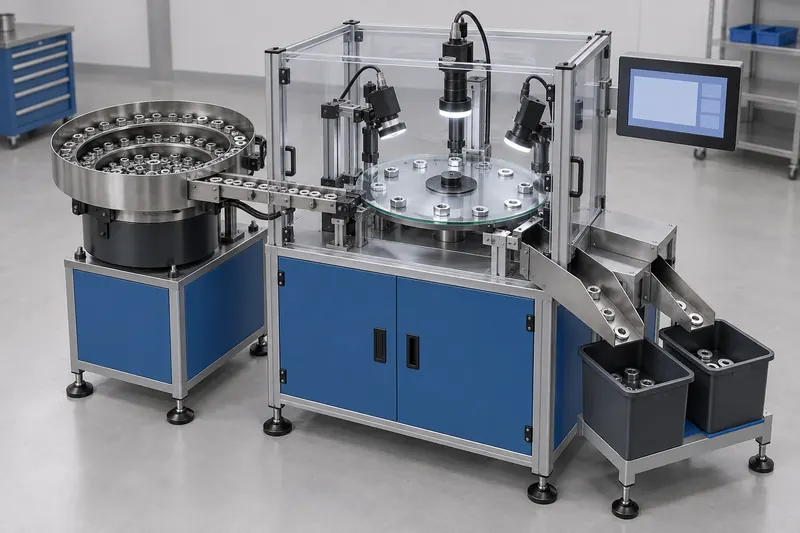
Inspection & Sorting Equipment
Understand optical sorting, dimensional checks, thread gauging and mechanical testing for part-specific fastener acceptance.
Explore the process →How these operations connect
| Stage | Decision | Continue to |
|---|---|---|
| Form the blank | Head, shank and other formed features; material and tooling. | Cold heading |
| Produce the external thread | Thread geometry, prepared blank, dies and feed arrangement. | Thread rolling |
| Produce the internal thread | Nut construction, prepared hole, tap selection and finished thread fit. | Nut tapping |
| Cut and form strip parts | Washer profiles or clip geometry, stock and tooling. | Stamping & forming |
| Machine drawing-based features | Turning, milling, holes, datums and inspection requirements. | CNC machining |
| Review material treatment | Material, finished properties, treatment sequence and lot records. | Heat treatment |
| Review the finished surface | Preparation, coating application, critical surfaces and final thread requirements. | Surface finishing |
| Verify and segregate parts | Inspection method, feature coverage, acceptance criteria and lot records. | Inspection and sorting |
| Confirm the finished part | Any specified treatment, coating, dimensions and required records. | Quality requirements |
Some equipment combines operations, while other routes use separate machines. A headed part is not automatically thread-rolled; a rolled thread does not require every blank to be cold-headed. Machining or other forming routes may be needed for a different geometry.
Connect the process to the product
Use the product centre to identify the part construction. Use this guide to discuss the production route; machine appearance is not a part specification.
Prepare a production brief
- Controlled drawing or exact product standard and edition, with revision.
- Dimensions, tolerances, thread and mating-part requirements.
- Material, condition, grade and finish required for the finished part.
- Quantity, sample-review scope, inspection records and packing.
- Any specified production restrictions or unresolved questions.
For custom geometry, use the drawing-based order workflow. Final feasibility and supply requirements belong in the part-specific review and quotation.
Equipment guide and production records
This guide describes equipment categories and processes. It is not an installed-machine inventory or evidence of a verified factory address, machine capacity or certification. For order-specific records, see manufacturing requirements and company information.
Technical references
Independent equipment-maker resources for the process explanations above. References do not establish an installed machine or a commercial relationship.